
Brake Repairs on the Gold Coast
We bring workshop-level car care to your driveway across the Gold Coast, offering mobile servicing, repairs and inspections backed by decades of hands-on mechanical experience.
Nature's Symphony
Request a call back
Thank you for contacting Calvin's Mobile Mechanics.
We will get back to you as soon as possible.
Oops, there was an error sending your message.
Please try again later.
Servicing That Keeps Your Braking Smooth
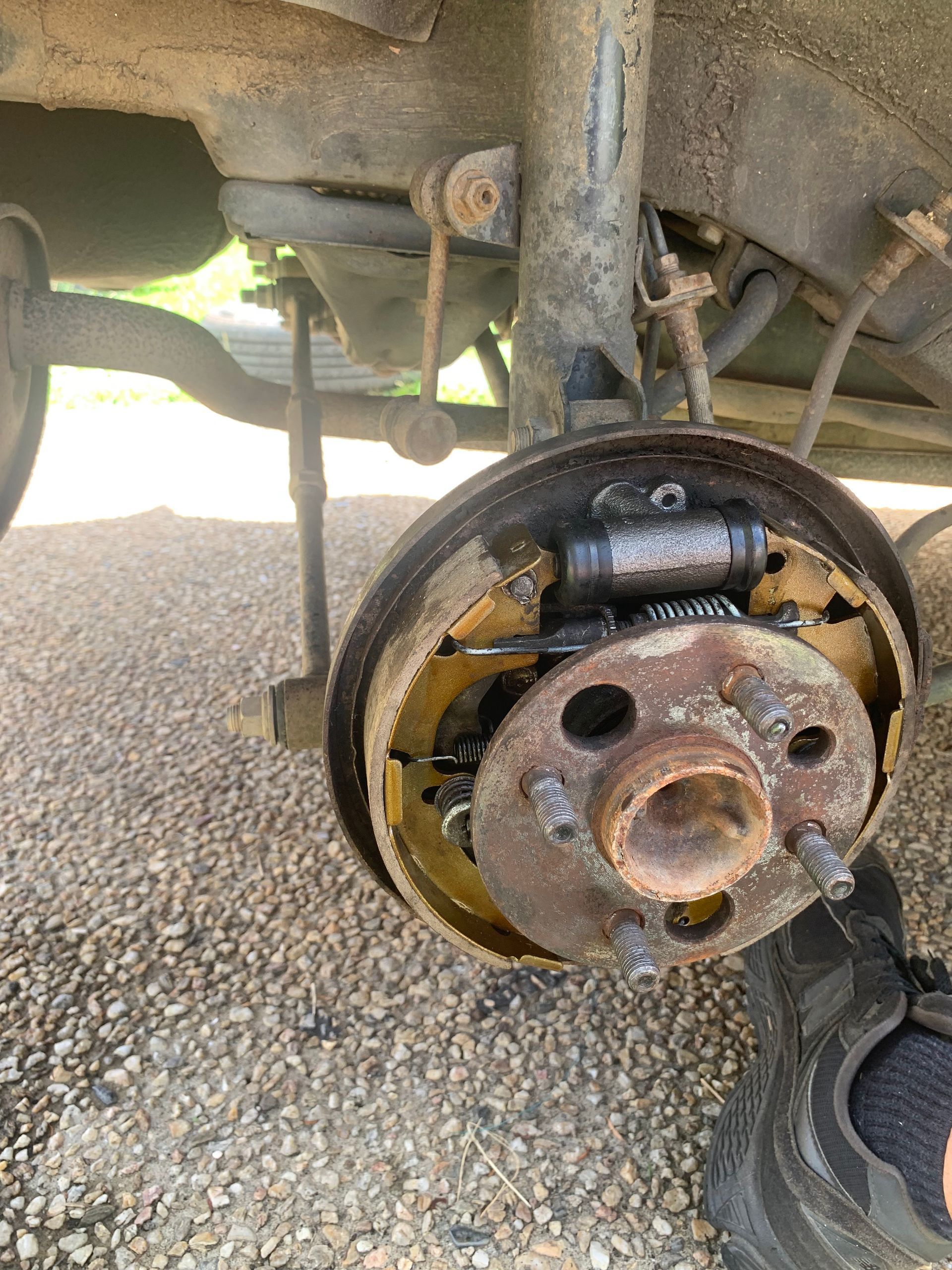
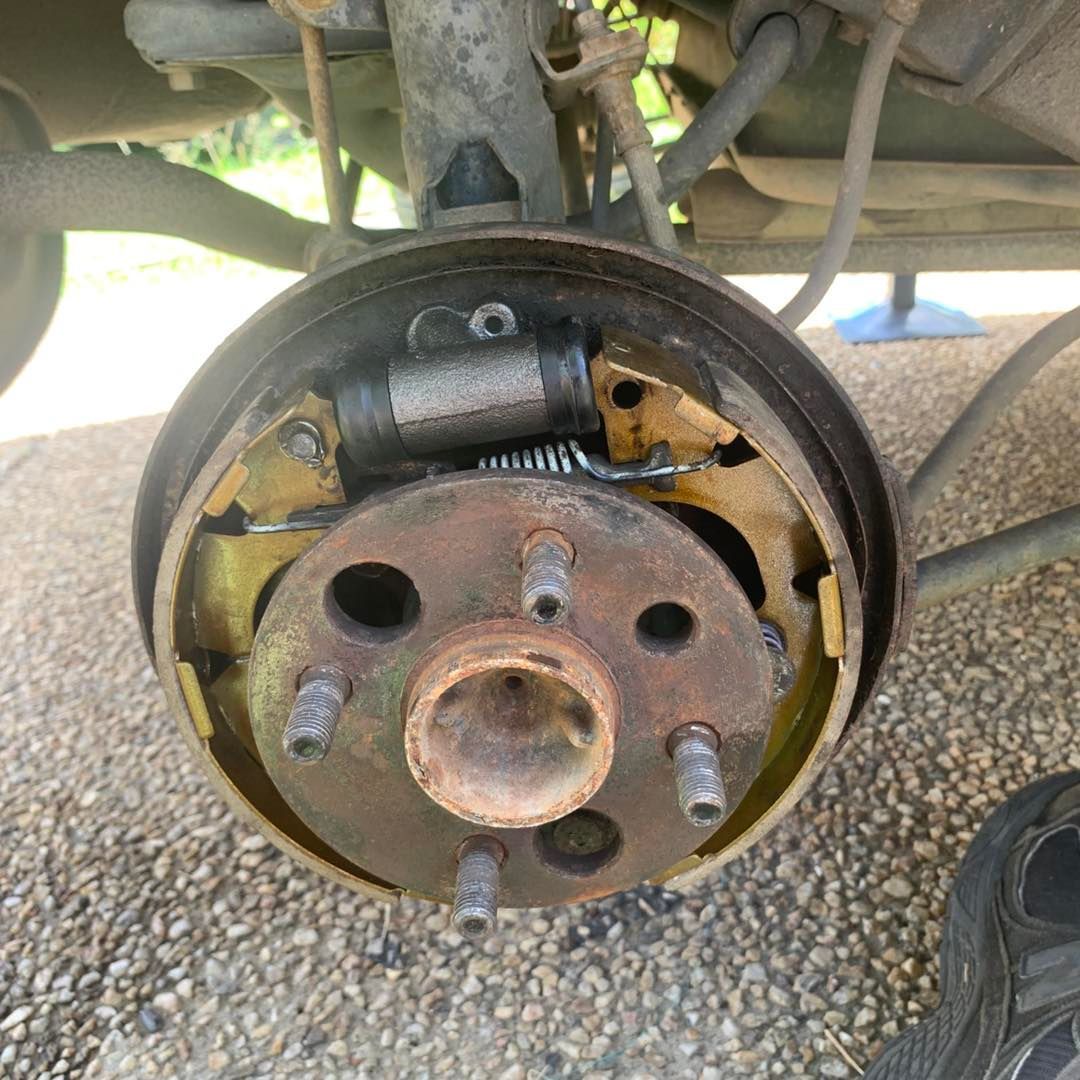
At Calvin’s Mobile Mechanics, we provide mobile brake servicing and brake repairs on the Gold Coast to help keep your car stopping safely and predictably. Your brakes need regular attention, whether you’re driving around town, commuting or carrying a heavier load.
If you’ve noticed a change in pedal feel, unusual noises or vibration when braking, it’s worth having it checked promptly. We come to you, explain what we find and discuss any repairs before going ahead, so you know what’s needed and why.
Call
0488 726 837 to arrange a brake inspection at your home or workplace.
Mobile brake servicing at your home or workplace
-Experienced mechanical care with personal service
How We Approach Brake Safety
A brake service looks at how the components work together, as well as their individual condition. At Calvin’s Mobile Mechanics, we investigate any symptoms you’ve noticed and use component measurements to guide repair recommendations. Our approach covers:
- Brake hose and line inspections
- Investigation of unusual noises, vibrations or pedal feel
- Replacement of worn components where required
- Brake hose and line inspections
- Investigation of unusual noises, vibrations or pedal feel
- Replacement of worn components where required
FAQ
Do I need to replace brake discs every time I change pads?
Not necessarily. Brake discs can often be reused if they remain within the manufacturer’s minimum thickness specification and show no signs of cracking or severe scoring. However, if discs are warped, heavily worn or uneven, replacing them alongside the pads may provide smoother braking and better long-term performance.
Fitting new pads onto damaged discs can reduce pad life and compromise braking feel. A proper measurement and inspection will determine if machining or replacement is the safer and more cost-effective option.
Why do my brakes feel soft even without warning lights?
A soft or spongy brake pedal can come from a range of issues that don’t always trigger dashboard alerts. Air may have entered the hydraulic system, brake fluid might be aging or moisture could be affecting pressure buildup. Worn hoses or internal master cylinder wear can also create a softer feel.
Because braking relies on stable hydraulic pressure, any change in pedal response should be checked promptly. A technician will usually start by testing fluid condition, inspecting the lines and confirming that no leaks are present before recommending the next steps.
How often should brake fluid actually be changed?
Brake fluid absorbs moisture over time, which lowers its boiling point and reduces braking efficiency during hard stops. Many manufacturers recommend changes every two years, although this can vary depending on driving habits, climate and vehicle type.
In humid regions, fluid may degrade more quickly due to moisture in the air. Technicians check the fluid’s condition using test strips or boiling point measurement tools. Replacing it at sensible intervals helps maintain consistent pedal feel and protects internal components from corrosion.
Is squealing always a sign the pads are worn out?
Not always. Squealing can signal worn pads, but it may also come from dust buildup, glazed pad surfaces or minor vibration between components. Some pads include wear indicators that deliberately squeal to alert drivers when replacement is due. However, new pads can squeal briefly as they bed in.
A technician will typically inspect pad thickness, disc condition and hardware alignment to determine the cause. Addressing the source early prevents unnecessary wear and maintains confidence in the braking system.
Is brake pad material important for how my car performs?
Yes, brake pad material plays a significant role in braking feel, noise levels and durability. Organic pads tend to be quieter but may wear faster, while semi-metallic and ceramic options often provide stronger stopping power and longer life.
The right choice depends on driving habits, vehicle type and load requirements. For example, SUVs and 4WDs used for towing may benefit from pads designed for higher heat tolerance. Selecting appropriate brake components helps balance performance, comfort and long-term value rather than focusing on price alone.